Seeing in three dimensions
Turn a pyramid, slice a cube, find a right angle: train the spatial imagination that makes solid geometry hard.
- Advanced
- About 20 min
- 9 steps
A learning community focused on deep thinking and true understanding.
In a world shaped by AI and constant change, we focus on deep study and mindset training. It's not just about collecting facts — it's about thinking deeply, understanding clearly, and becoming wiser every day. Join us if you believe learning should be meaningful, not just fast.
In-depth posts about AI, learning and problem solving, with examples you can try yourself.

ProgrammingProgramming · Computational Thinking · Problem Solving
Learn about programming mindset - a logical and systematic problem-solving skill that's valuable for everyone, not just programmers

ProgrammingProgramming · Learning
Karel is a small robot in a grid world that knows only a few commands. Because there are so few, all the difficulty moves into how you think, which makes Karel a good place to practise programming thinking.

GeneralAI · Learning · Critical Thinking
Discover effective learning strategies in the AI era through three stages: Newbie, Player, and Pro. From building foundations to collaborating with AI as a partner.

GeneralDigital Wellness · Mindfulness · Technology
Explore how to protect your mind from the information tsunami in the digital age. From social media algorithms to the art of intentional disconnection.

GeneralAI · Learning · Critical Thinking
In an era where AI permeates every corner of work, are we borrowing knowledge too much? This article analyzes the 'illusion of knowledge' effect and how to use AI effectively.
Meet what Master Mindset Academy is known for: interactive content. Complex theories become simulations you control with your own hands, which sometimes teach far better than pages packed with text. Changing the settings and guessing the result before you run it is also a great way to check whether you really understand the problem.
Five small puzzles, one way of thinking each. Guess first, then let the picture check you.
Turn a pyramid, slice a cube, find a right angle: train the spatial imagination that makes solid geometry hard.
With only a compass and a straightedge, find a point equally far from two others, build a perpendicular bisector and pick the spot for a well shared by three villages. Drag the figure to see what always holds.
Practise a scientist’s habit: make a prediction before you look. Move sliders, guess the shape of a graph, then write formulas that fit the data.
Each course follows a clear path, lesson by lesson, with exercises inside the lessons. Read the outline here, then study in the Academy with the same account.
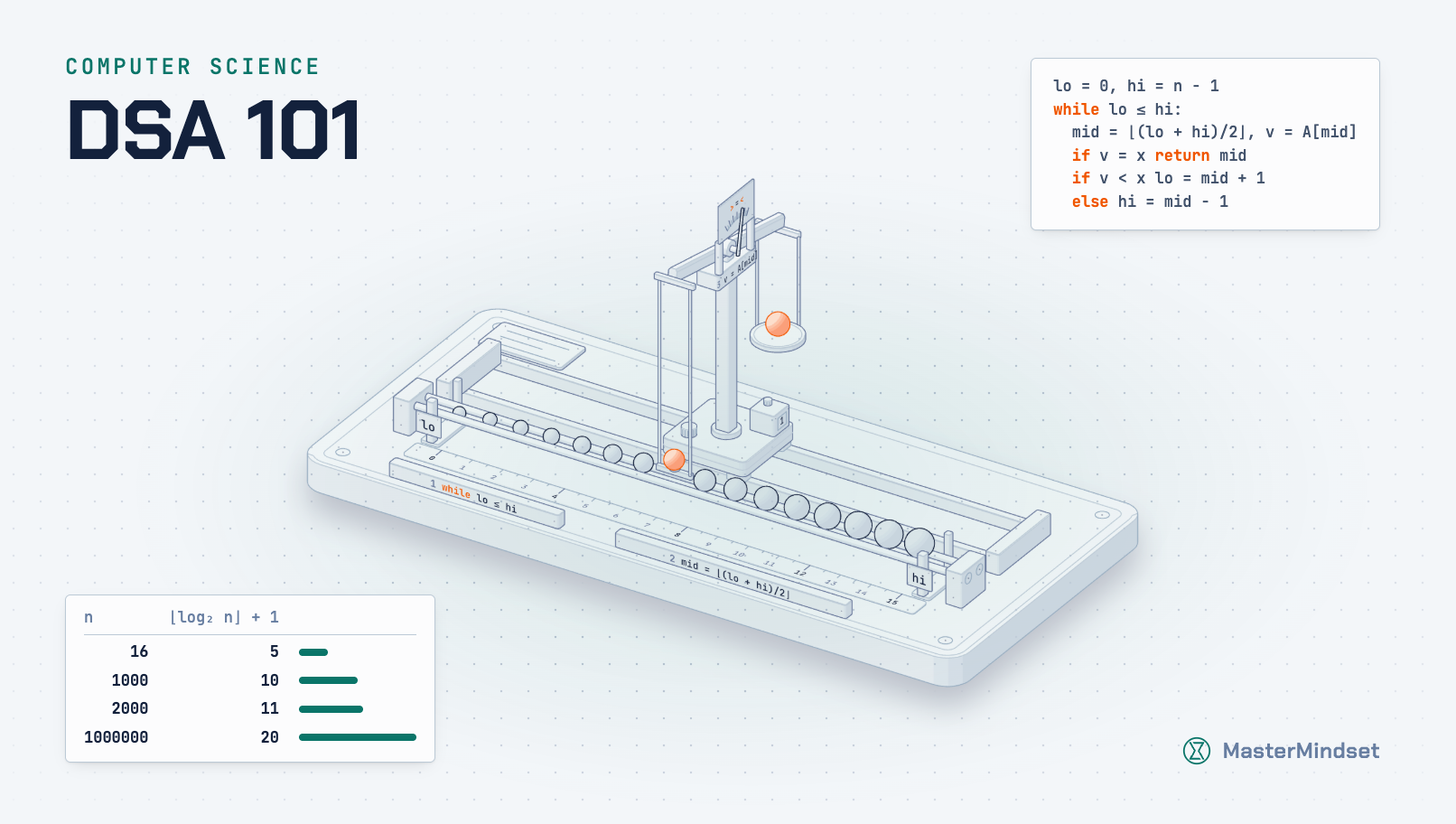
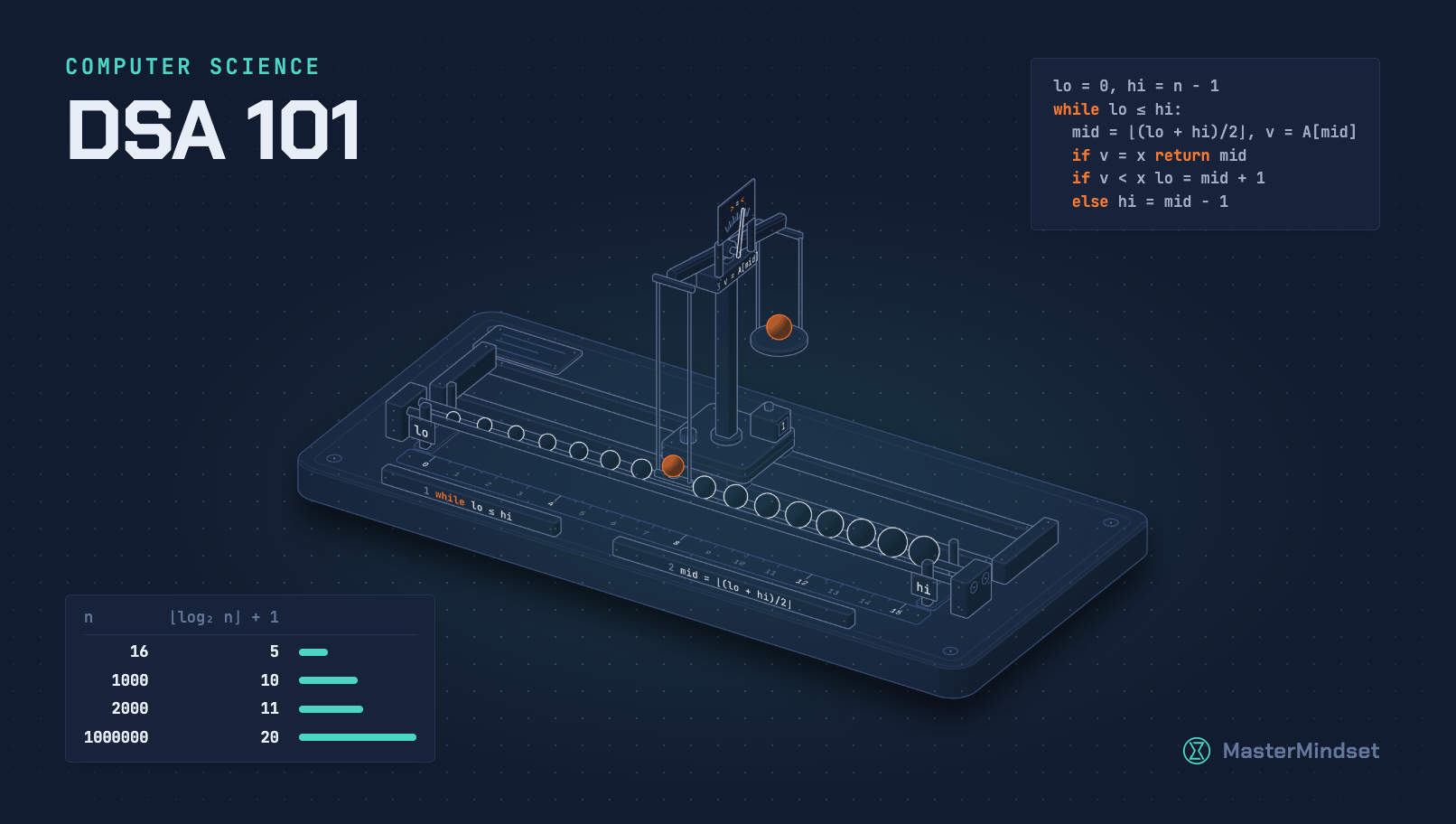
Data structures and algorithms for university students: searching, sorting, stacks, queues, recursion, hash tables, trees and graphs. Every chapter starts from a real problem; you watch, predict, make each move of the algorithm yourself, race them as n grows and write them in blocks. No programming needed.
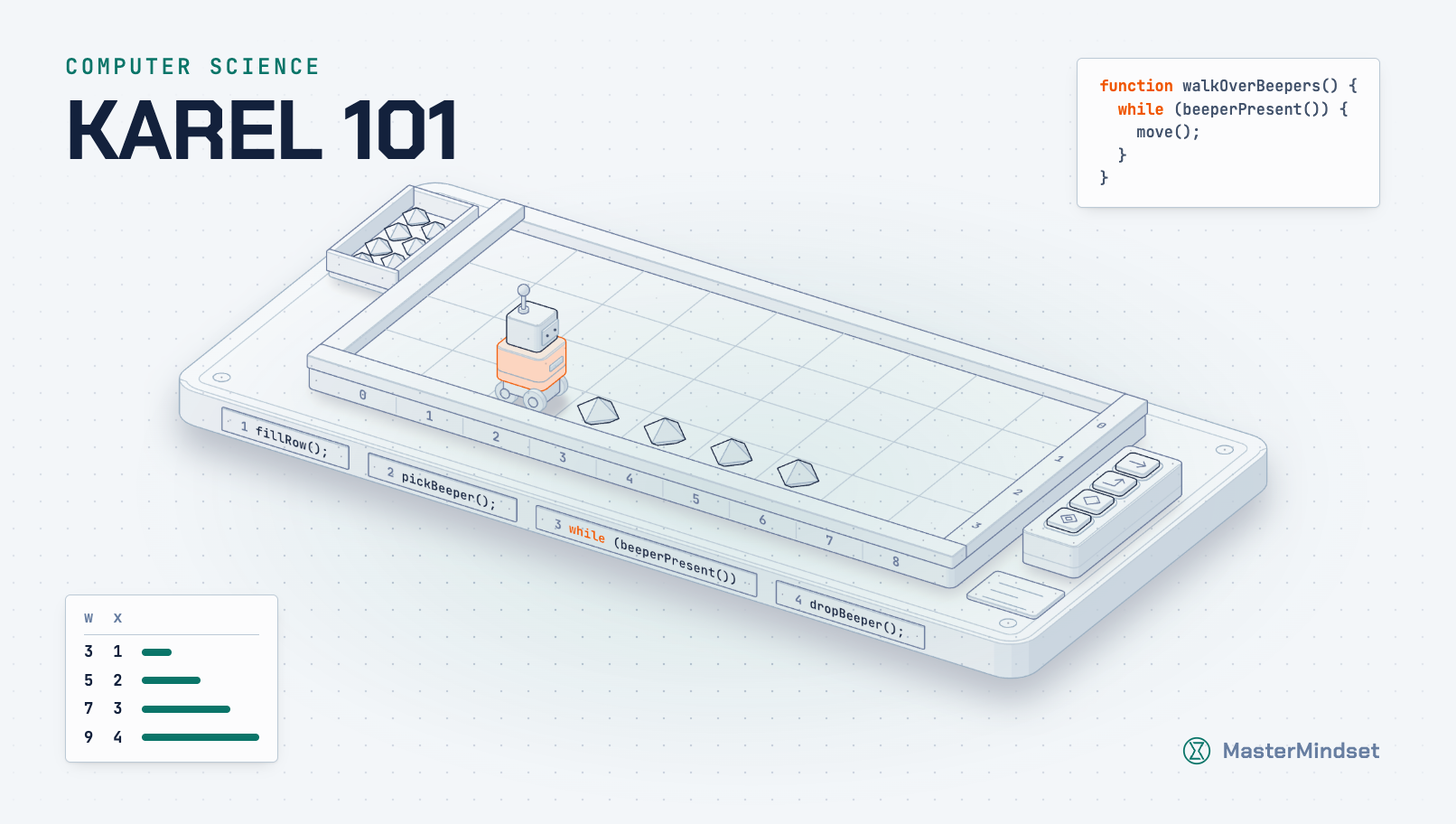
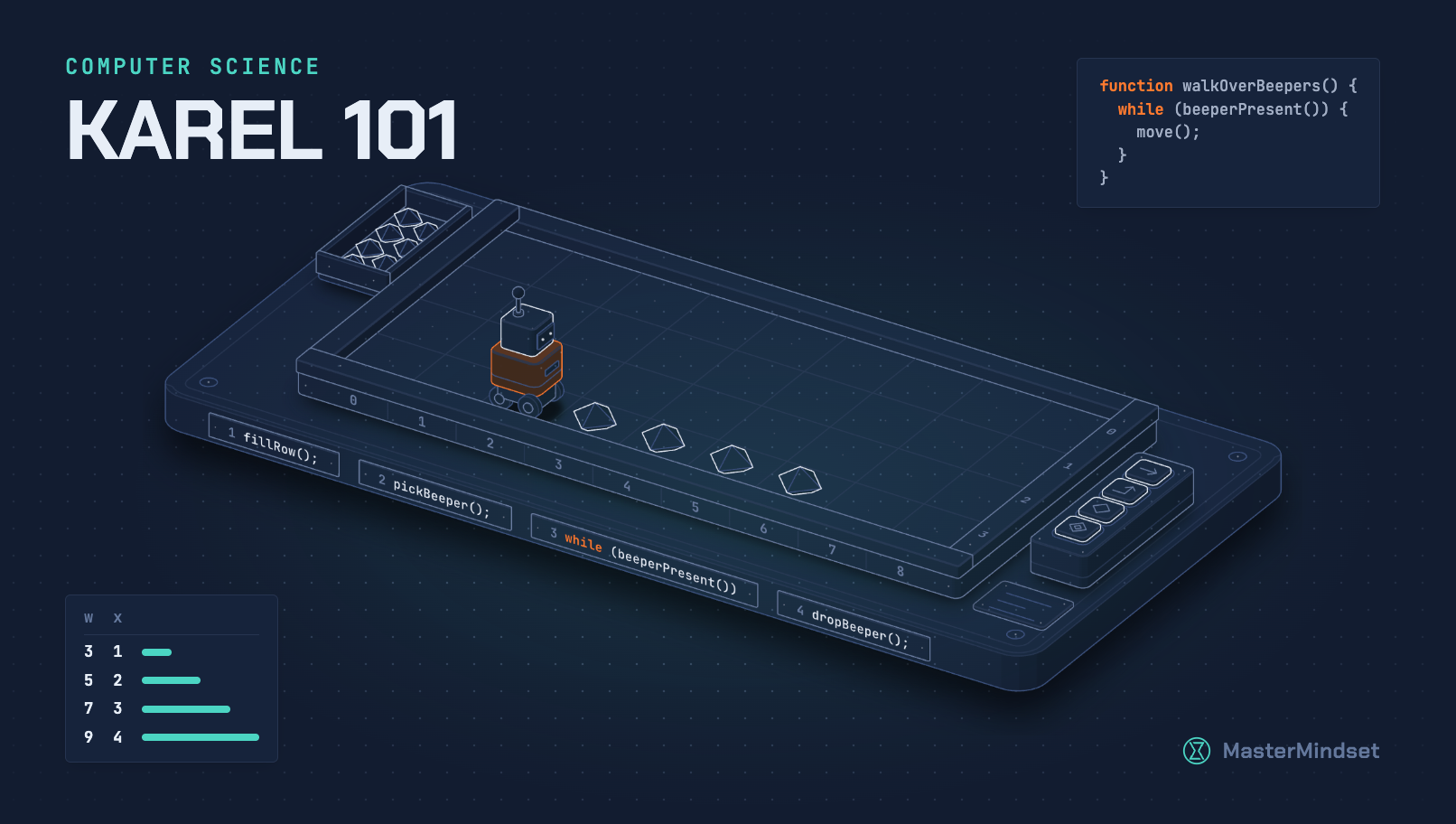
Learn the programming mindset and practise it with Karel the robot. Through small puzzles you practise how programmers think: predicting and then checking, breaking a big job into named parts, spotting what repeats, thinking of every case, and finding bugs by reasoning instead of guessing. These moves work away from the computer too. No programming experience needed.
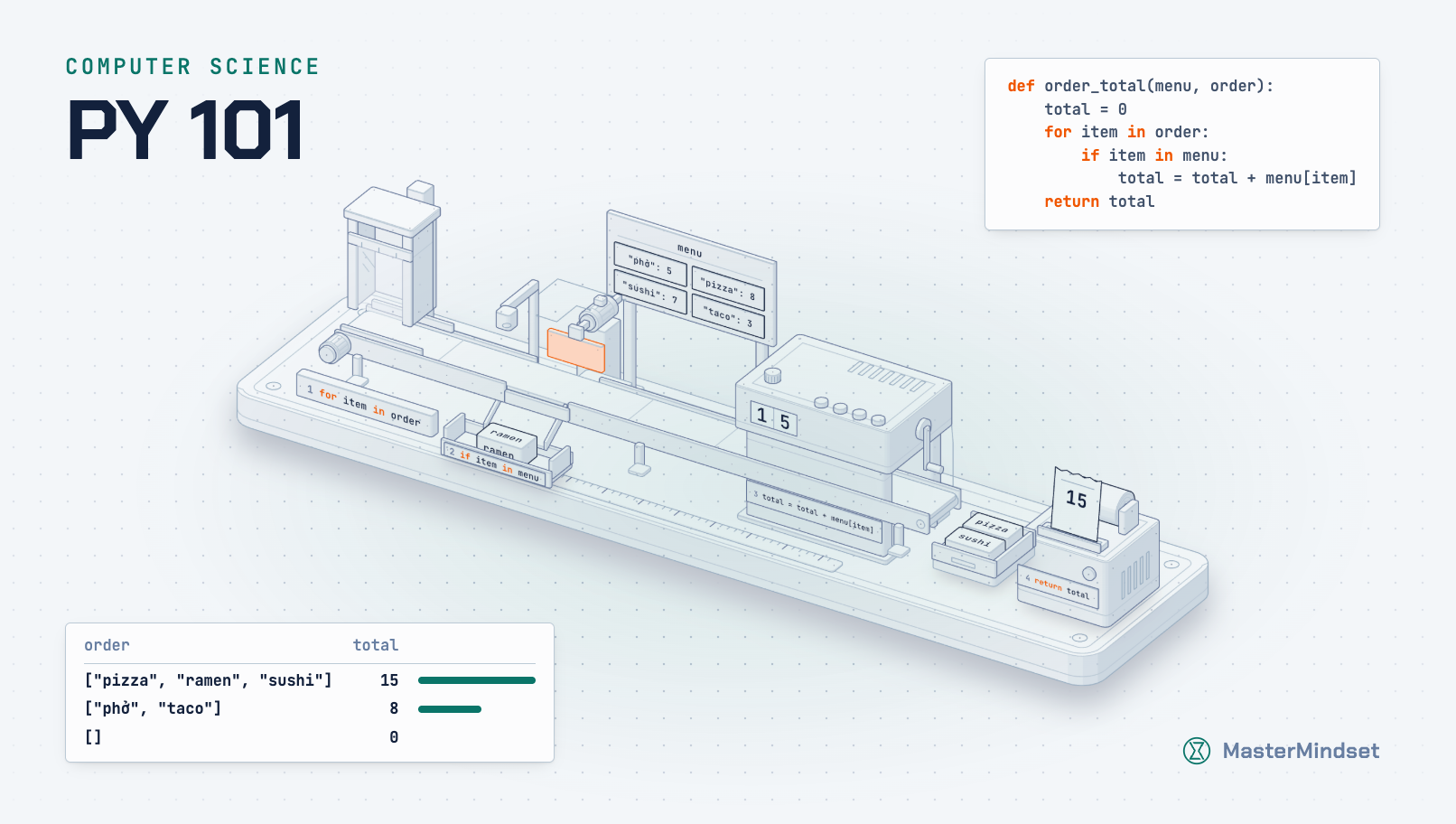
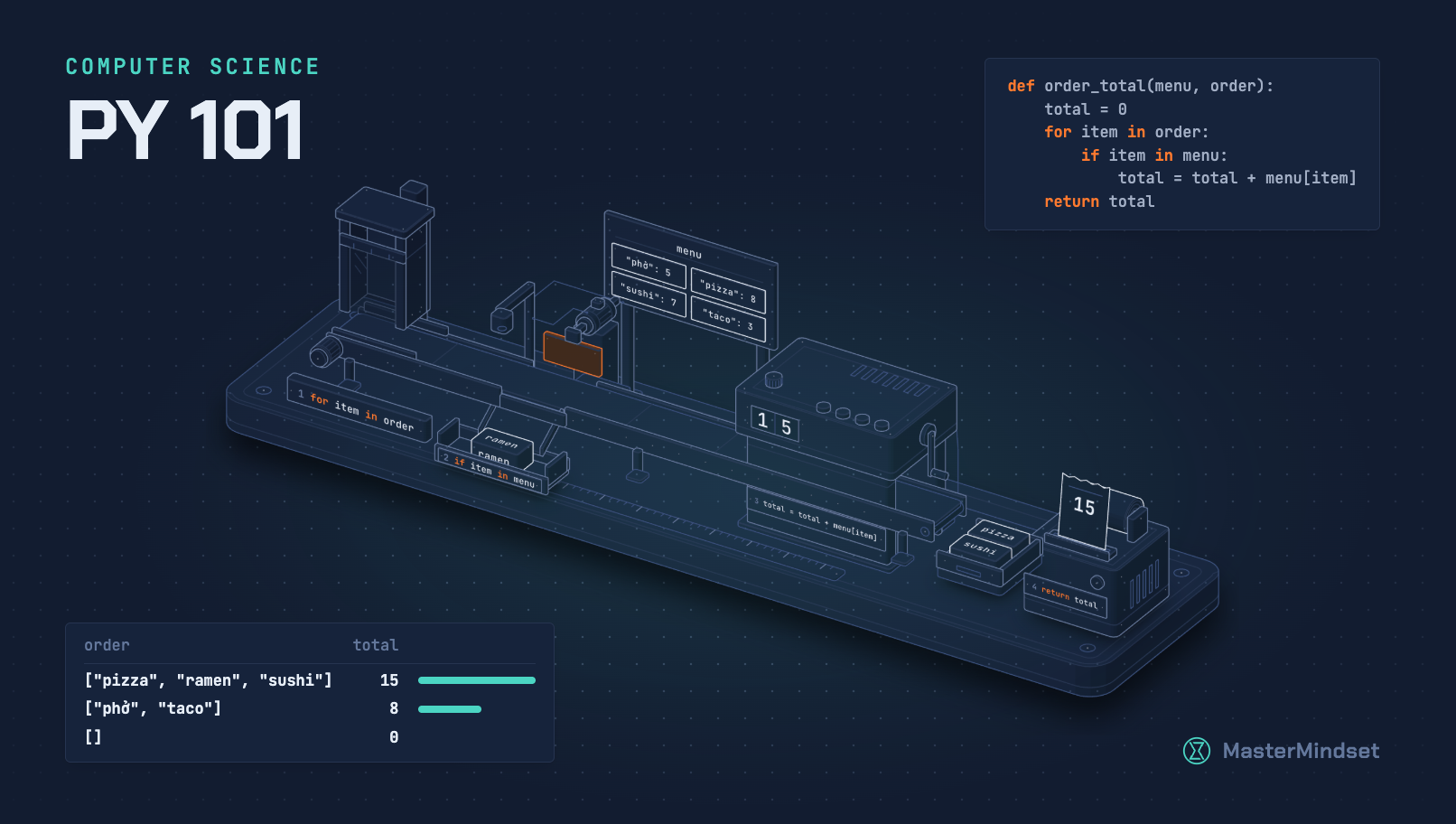
Learn Python from zero through everyday problems: money, scores, dates, text, data files. Read code, step through it, find bugs and write your own programs right in the browser. For learners from grade 6 and adult beginners.
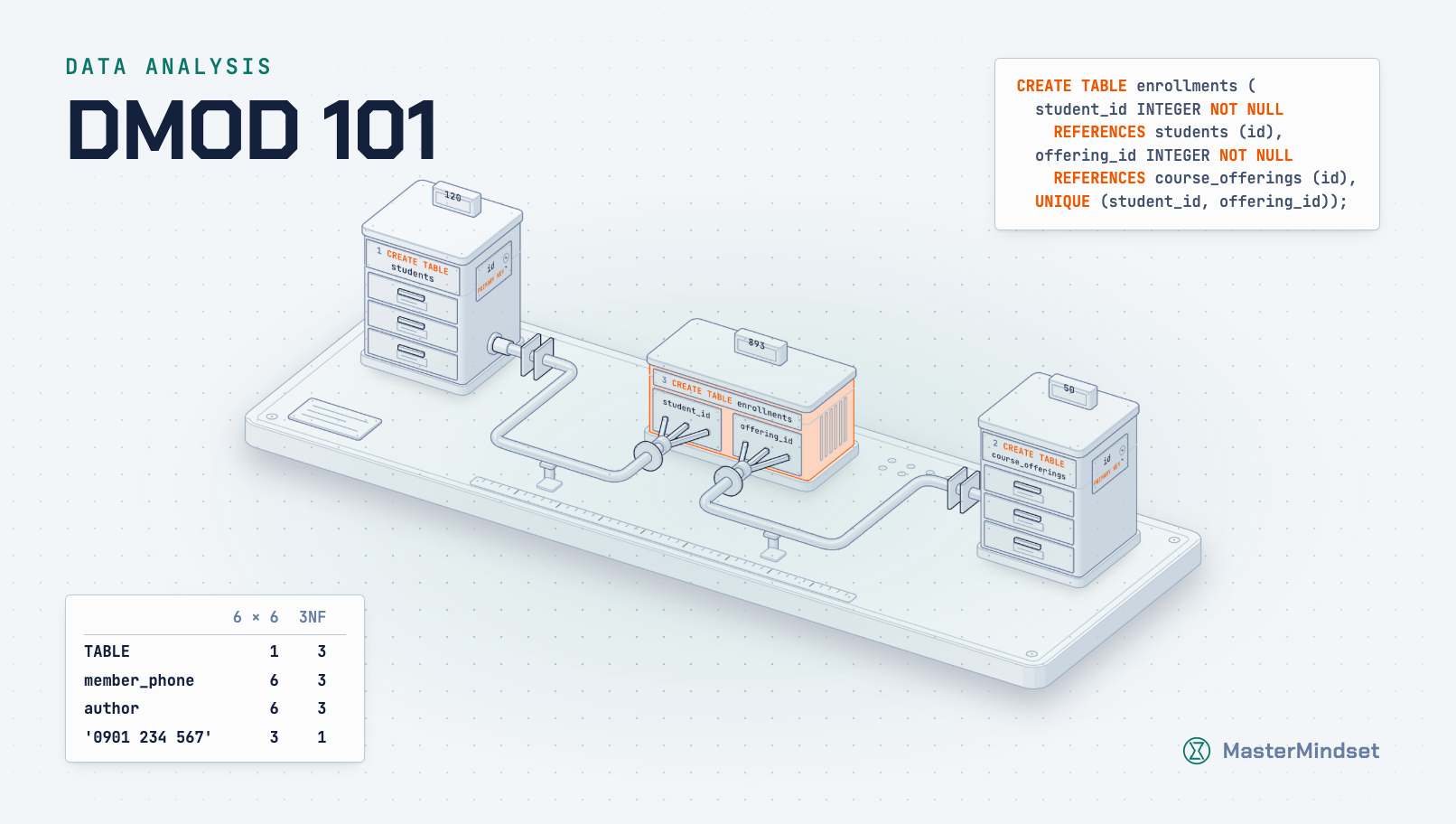
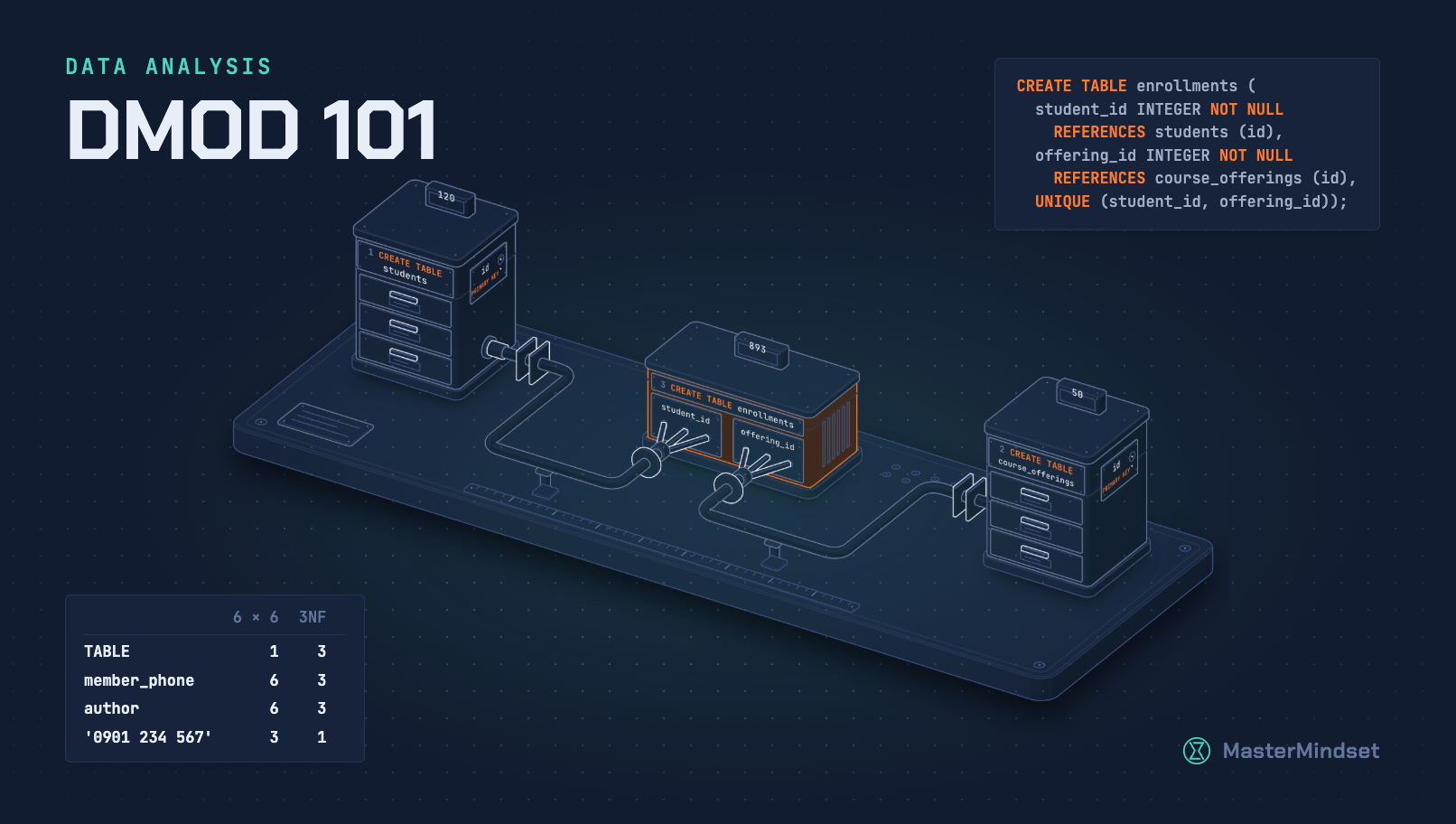
Database design for university students: find entities and attributes in a business description, choose keys, draw one-to-many and many-to-many relationships, decide what is optional, normalize to 3NF, find the bug in a model, and finally run your own model on real data. No SQL needed beforehand.
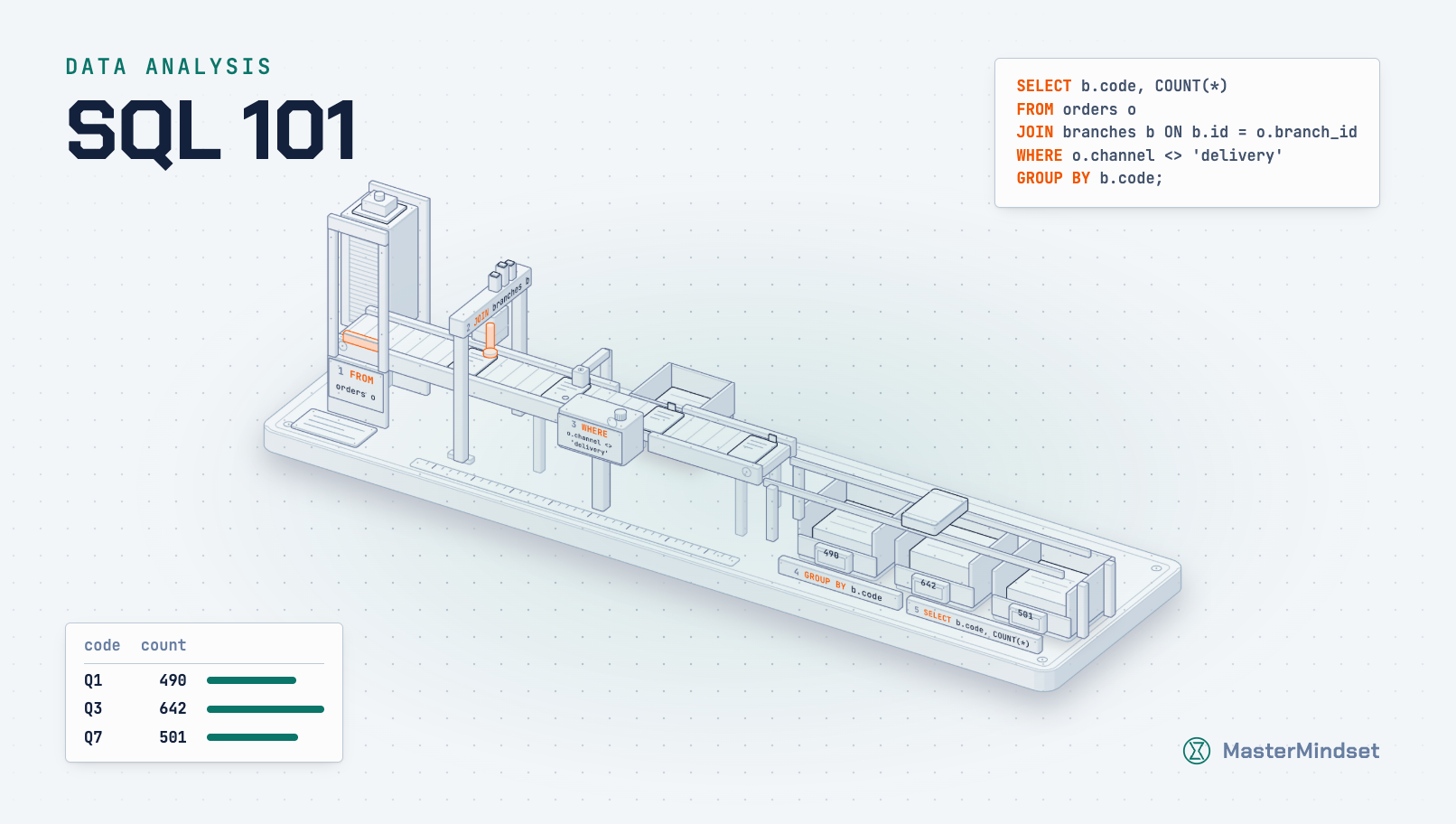
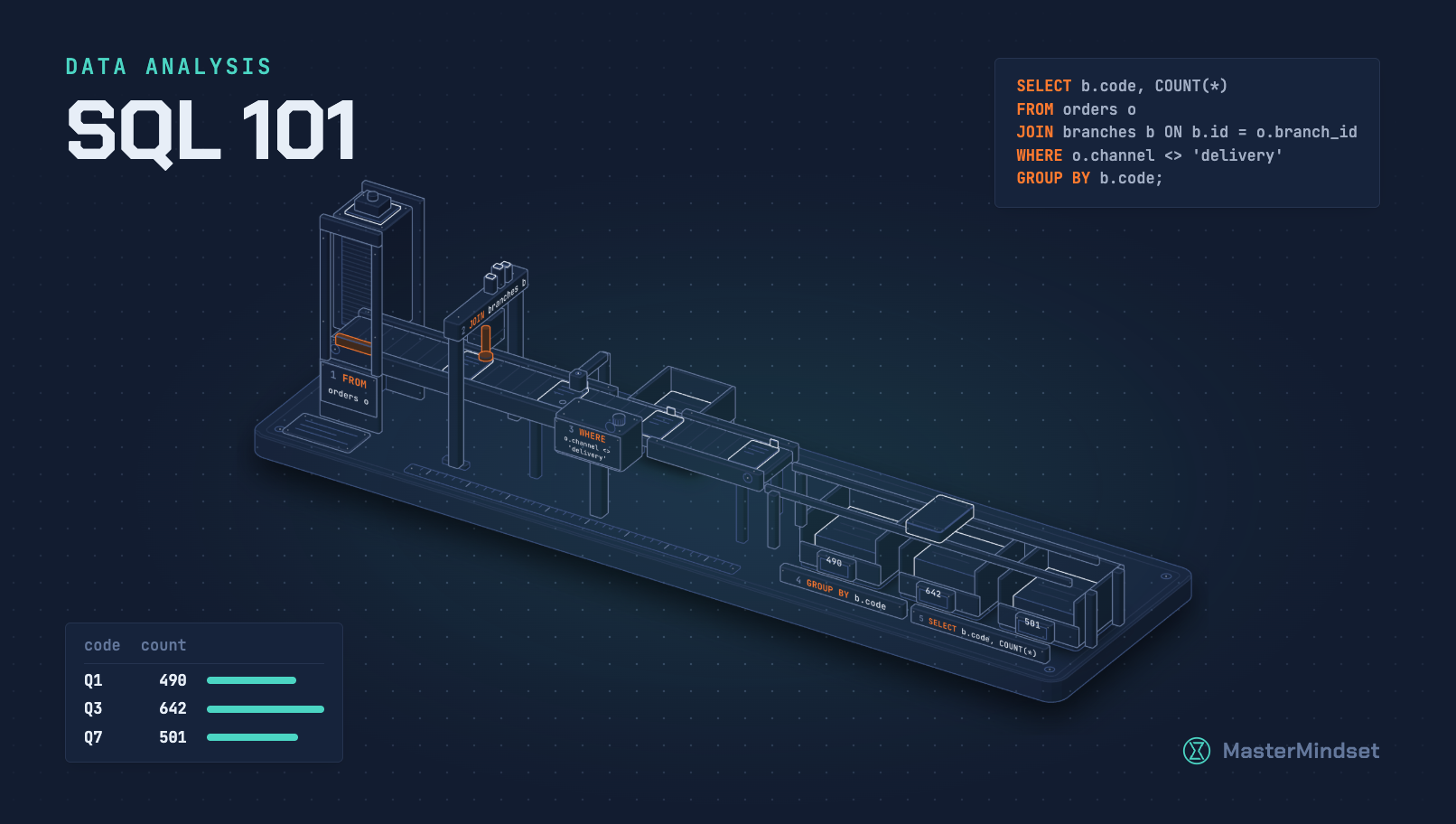
Open a coffee chain and get to know it through its data. You learn SQL to find which table holds what, how the tables connect, and when a number looks right but is wrong. No programming needed.
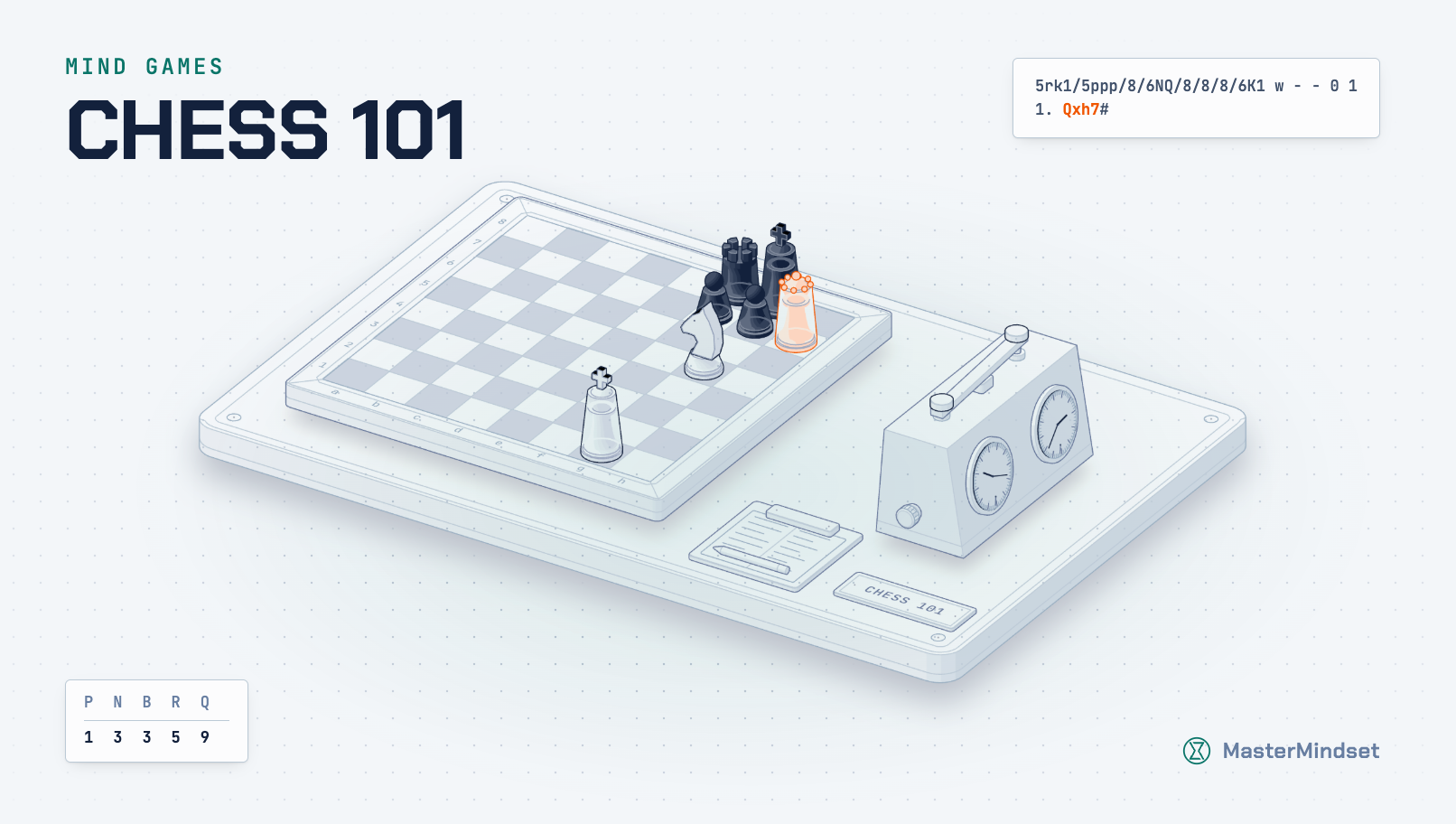
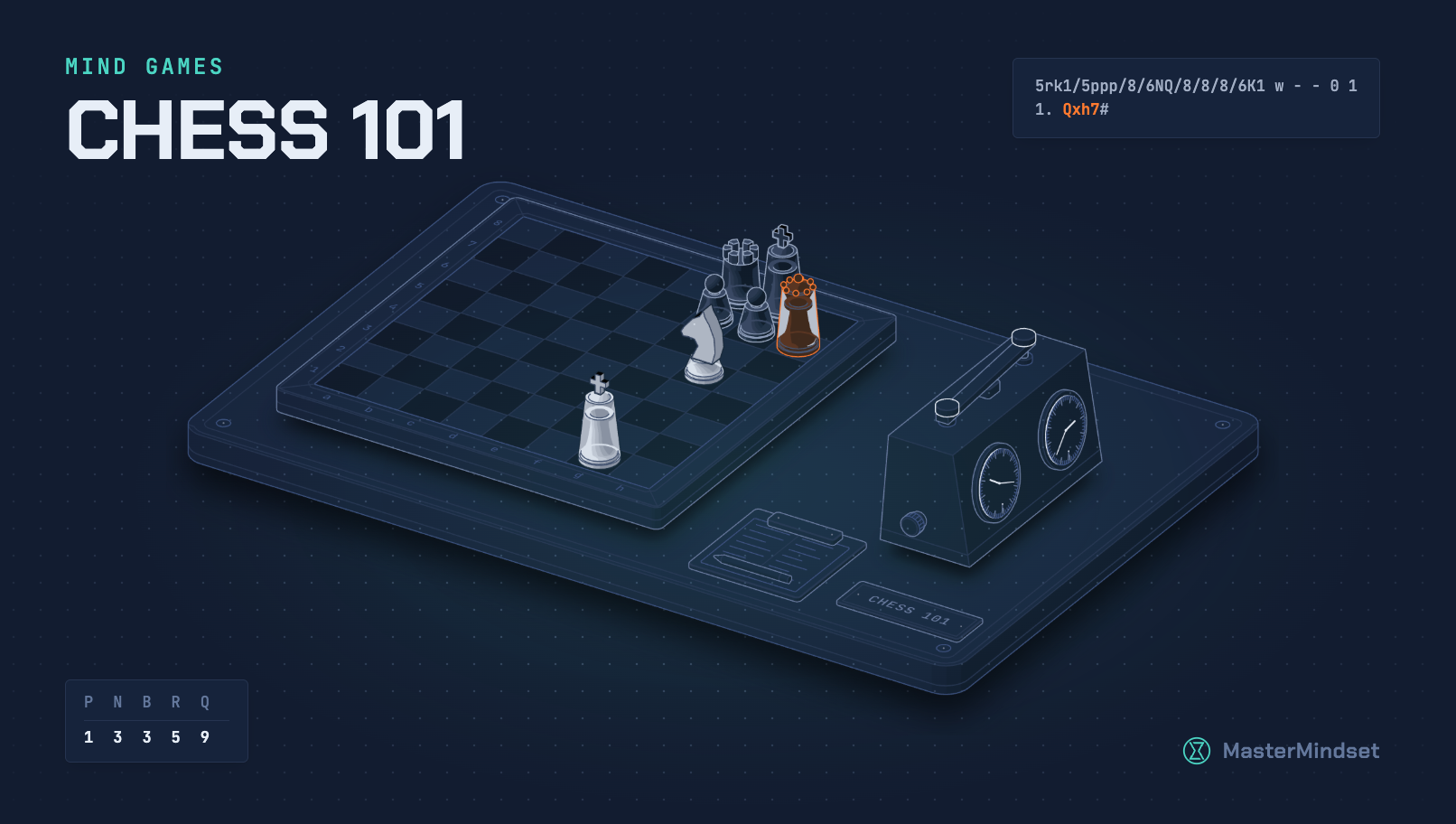
Chess for anyone 16 and over, from scratch: the rules, what pieces are worth, hanging pieces, mating with queen and rook, scanning before every move and opening on principle. Every lesson trains a named thinking habit on a real board, with puzzles from the Lichess database.
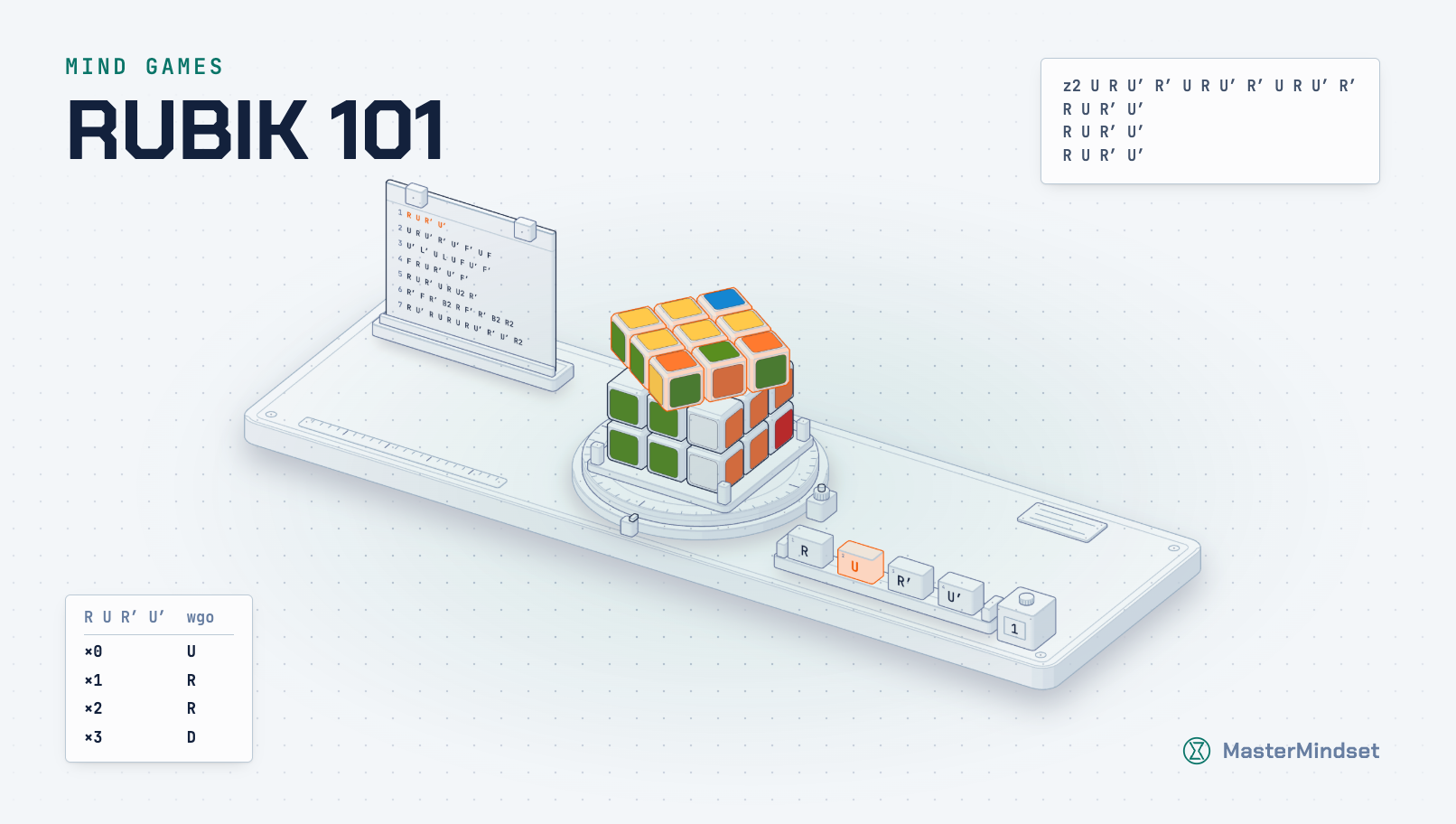
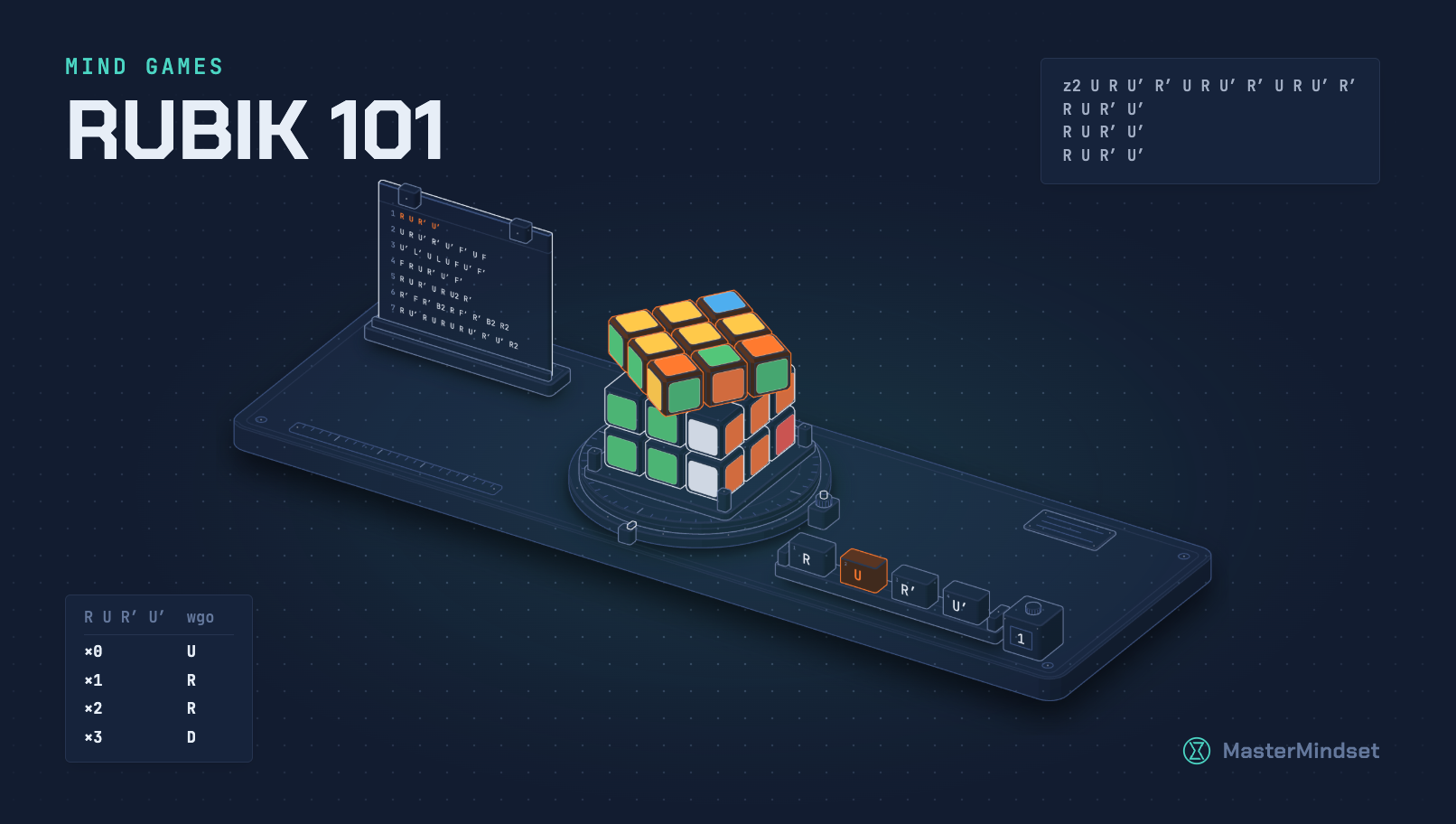
The Rubik's cube for anyone 10 and over, from scratch: the kinds of piece, reading turns, working out the white cross yourself, then solving layer by layer with eight algorithms until you can solve a scrambled cube. Optional chapters explain why the algorithms work and why some cubes can't be solved. Every lesson trains a named thinking habit on a 3D cube you can turn.
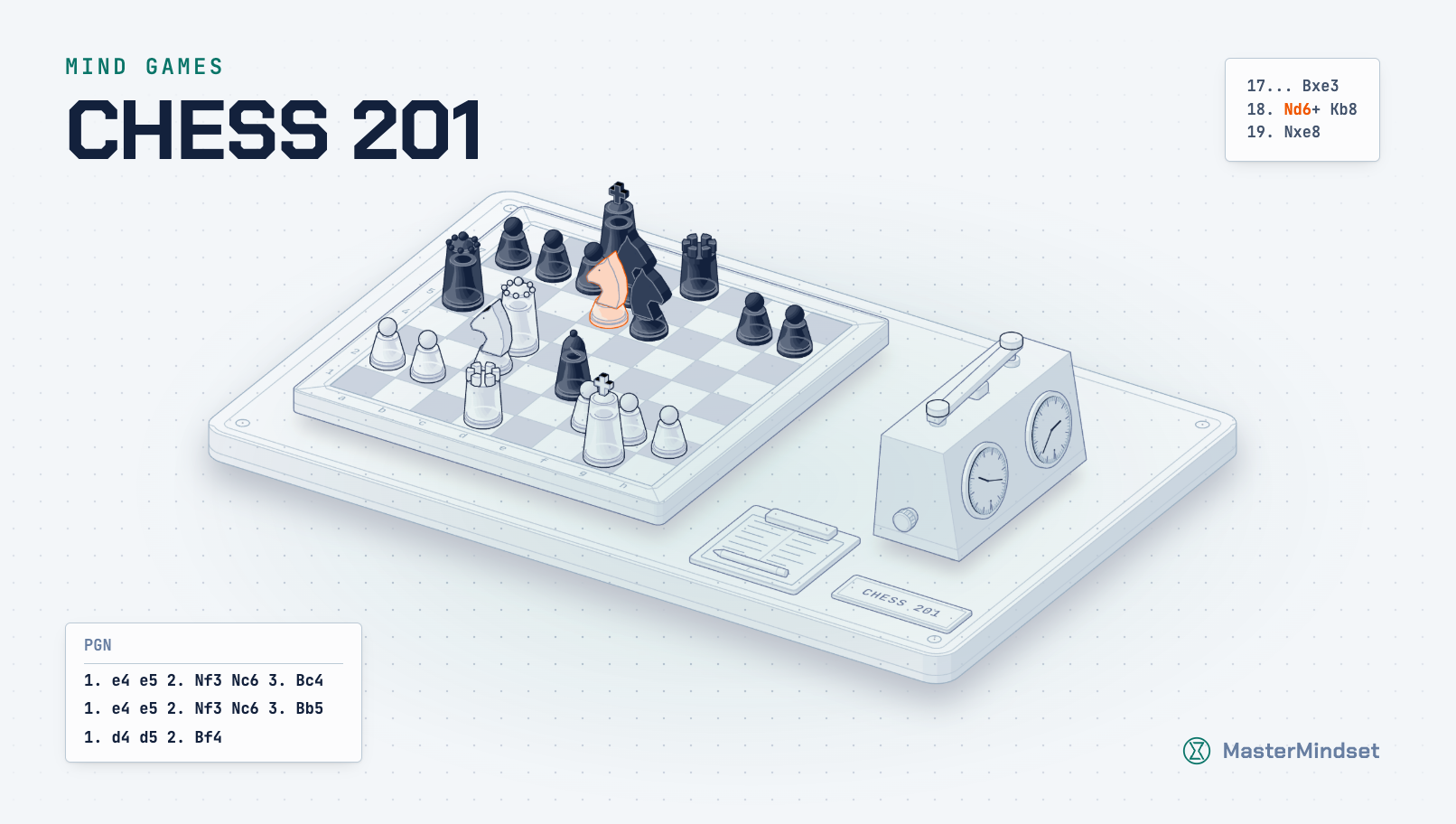
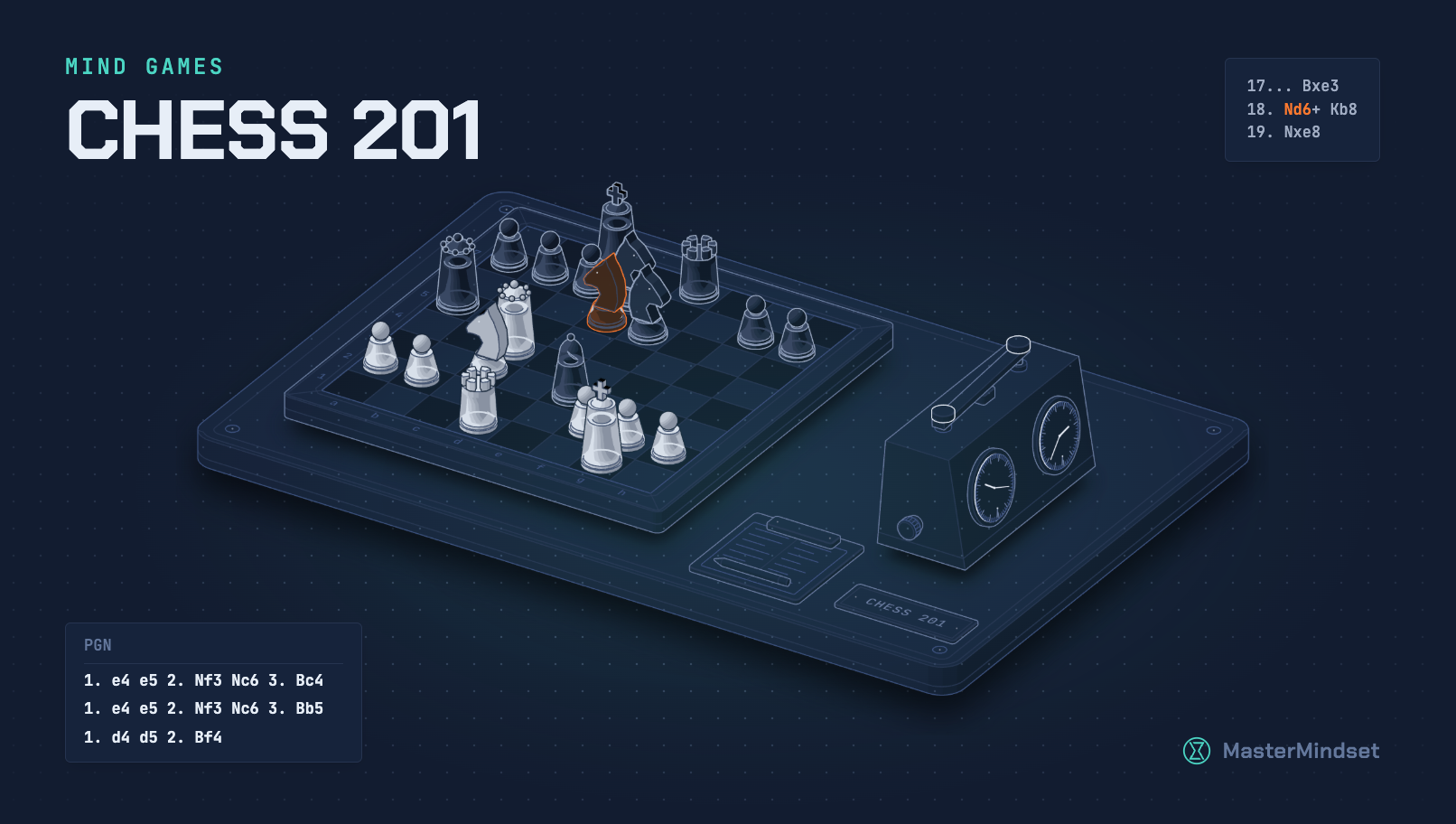
For players who know the rules and no longer lose pieces for nothing (after Chess 101): eight tactical motifs, spotted in your games and in your opponent's; winning or holding king-and-pawn endings; scanning for both sides, choosing among three candidates and checking yourself before you move. You choose one opening as White and one set as Black to learn properly, with the reason for every move. The course teaches skills; it promises no rating.
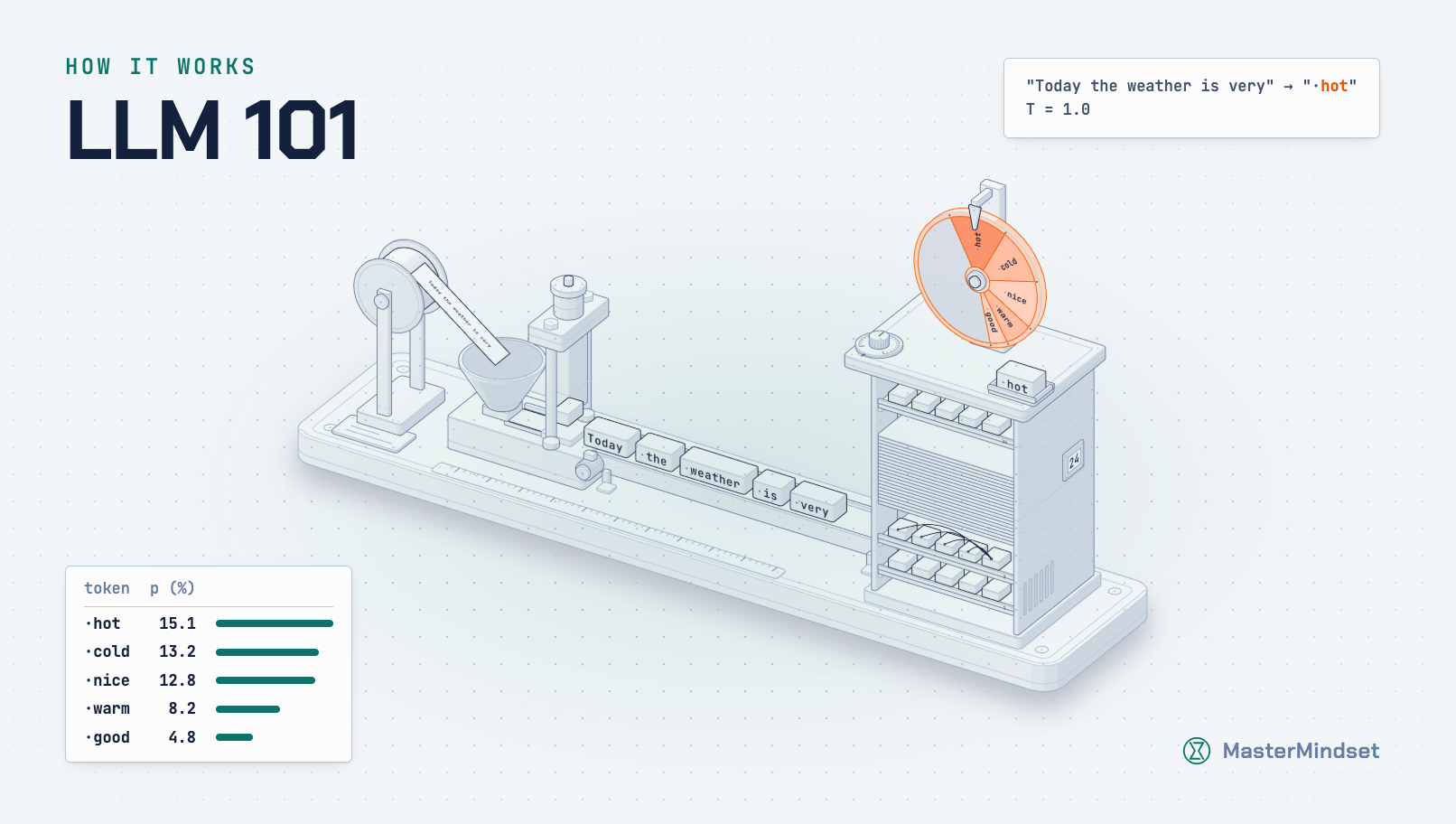
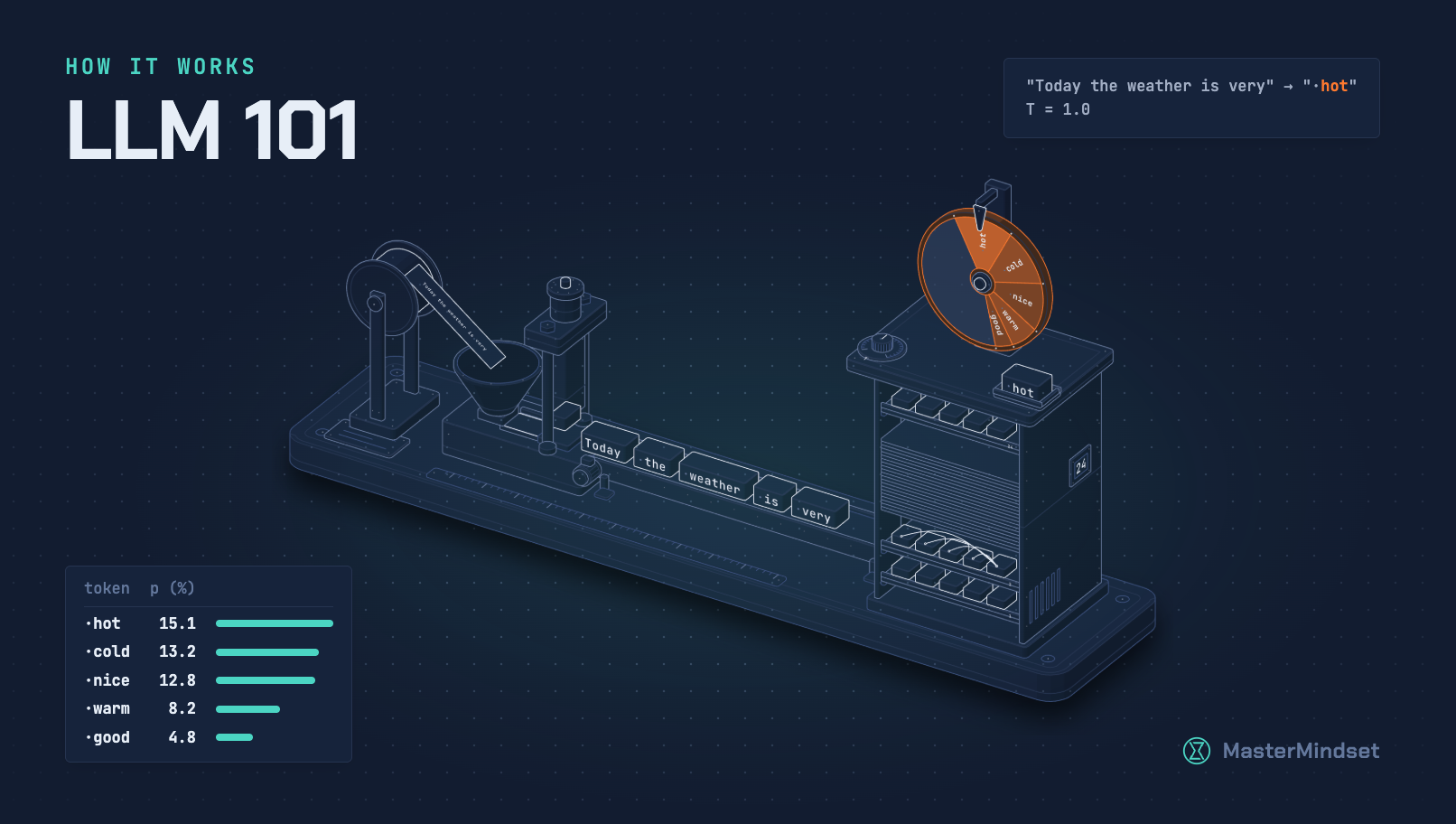
Open up large language models such as ChatGPT or Claude: how text is cut into tokens, how every next word is scored and drawn, how the model learns from text and is then taught to be an assistant. No programming or maths needed. Every number in the figures is real, recorded from a real small model.
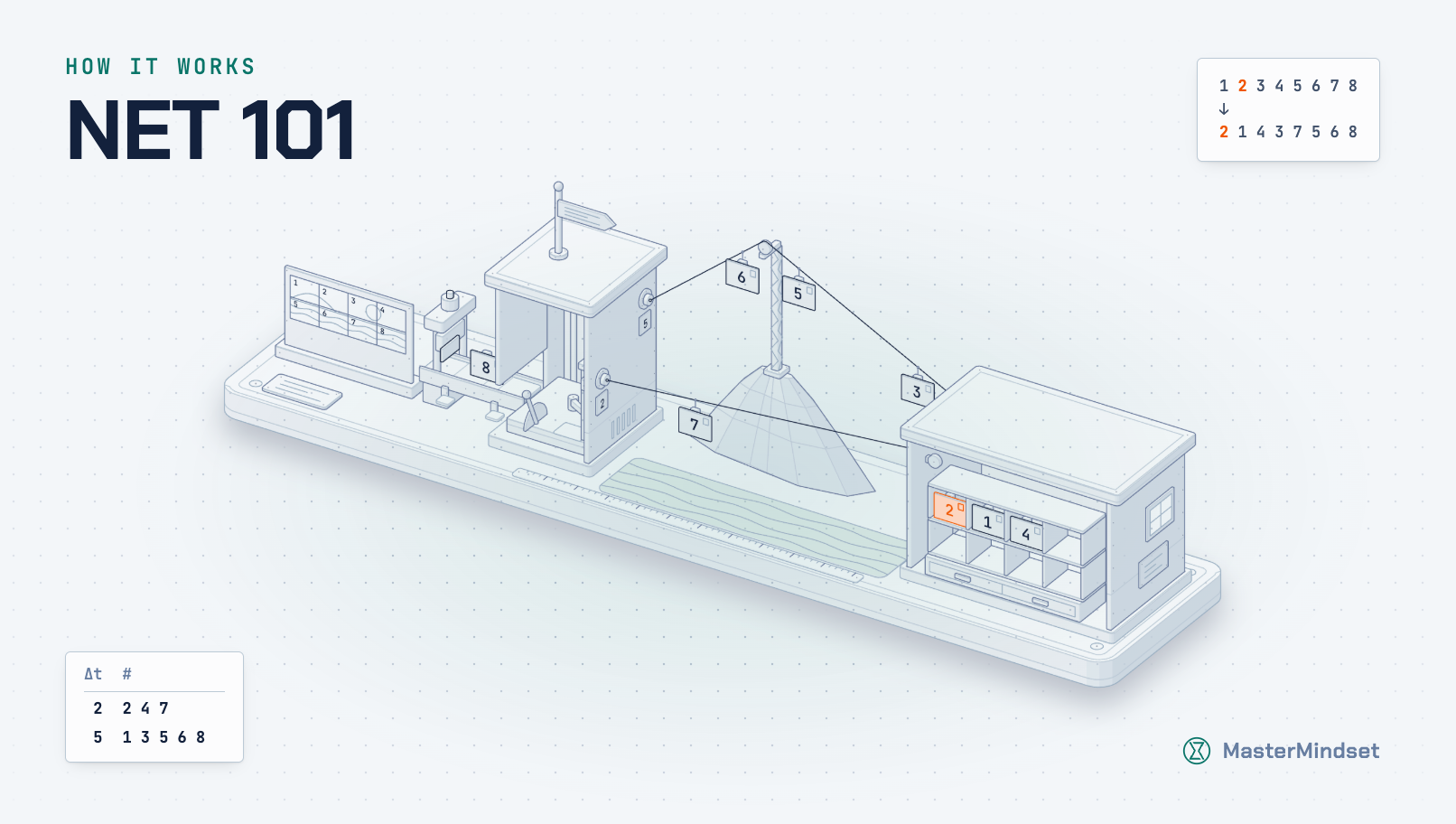
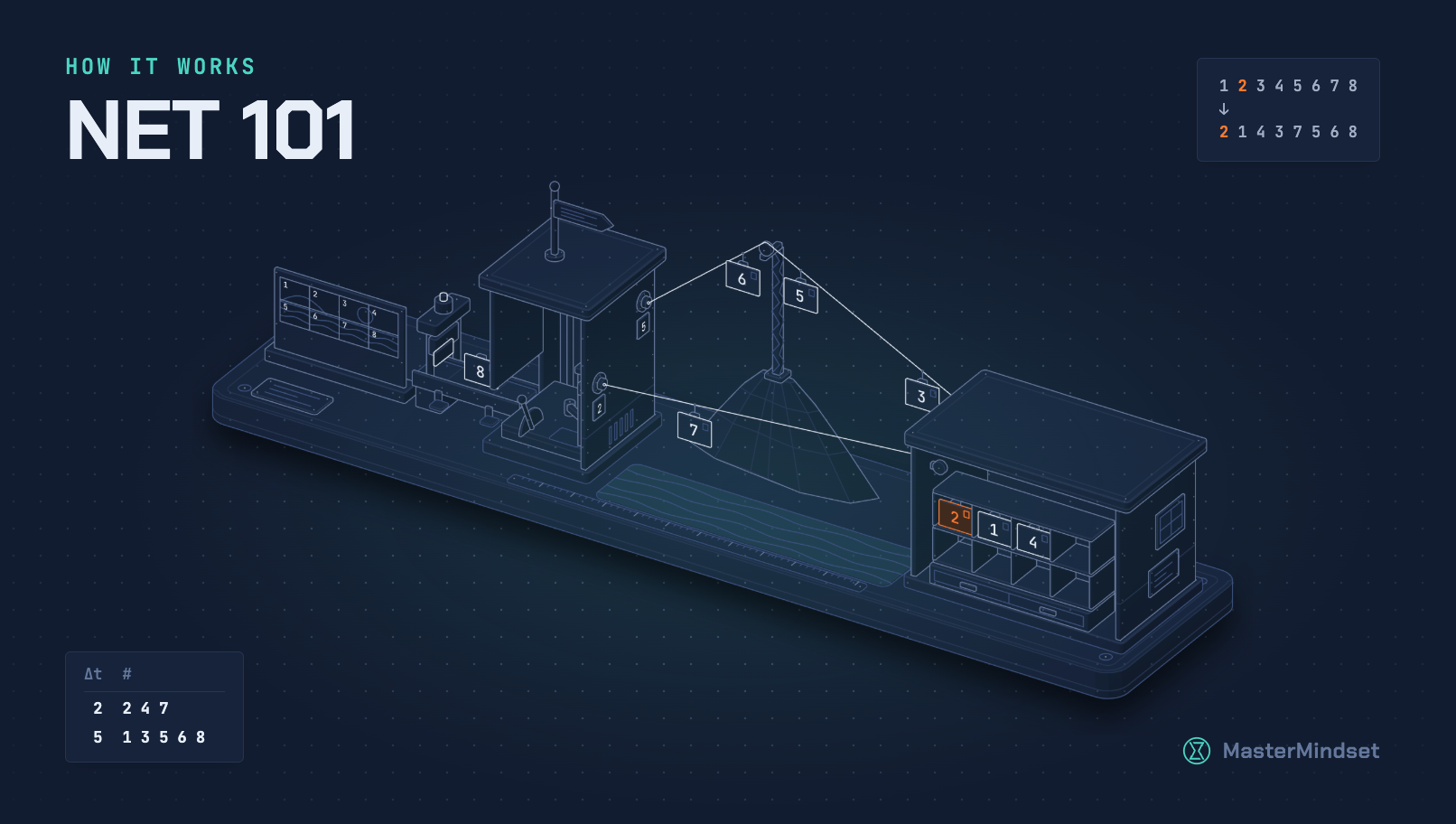
What happens in the second it takes to open a web page? The course draws the Internet as the world's post office: messages as postcards, post offices that show the way, light in cables under the sea, a phone book, a sealed envelope. No computer knowledge needed.
New in the Academy, for every learner with an account. Keep what you learn, then review it at the right time so it stays.

Free for every learner.
Schools and companies can run their own courses on the MMA Academy, for their students or their staff.
A few lines about your organisation and the course you have in mind are enough. We reply by email.